Optimal Conditions for Faux Painting
Faux paintings are decorative finishes that mimic the appearance of materials such as marble, wood, or stone. They are popular for enhancing interior spaces with textured and visually appealing surfaces. The application process involves multiple layers and specific techniques that require optimal conditions for adhesion and drying. Proper timing ensures a durable and aesthetically pleasing finish.
Spring and fall are preferred due to moderate temperatures and humidity levels, which facilitate proper drying and curing.
Optimal temperature range is typically between 60°F and 80°F to prevent issues like cracking or improper adhesion.
Low to moderate humidity minimizes drying time and reduces the risk of bubbling or peeling.
Indoor applications are less affected by weather, making any season suitable, while outdoor projects should avoid extreme weather conditions.
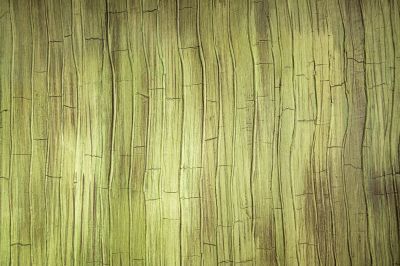
Applying decorative finishes with specialized tools and paints.
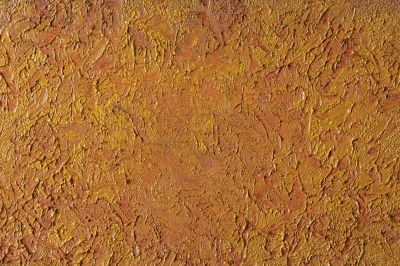
Choosing appropriate shades and textures enhances visual impact.
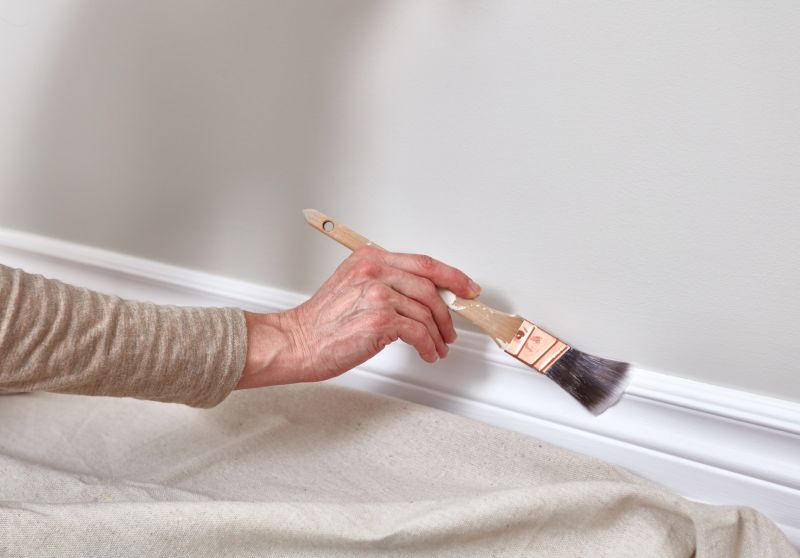
Proper cleaning and priming are essential for optimal results.

Ways to make Faux Paintings work in tight or awkward layouts.
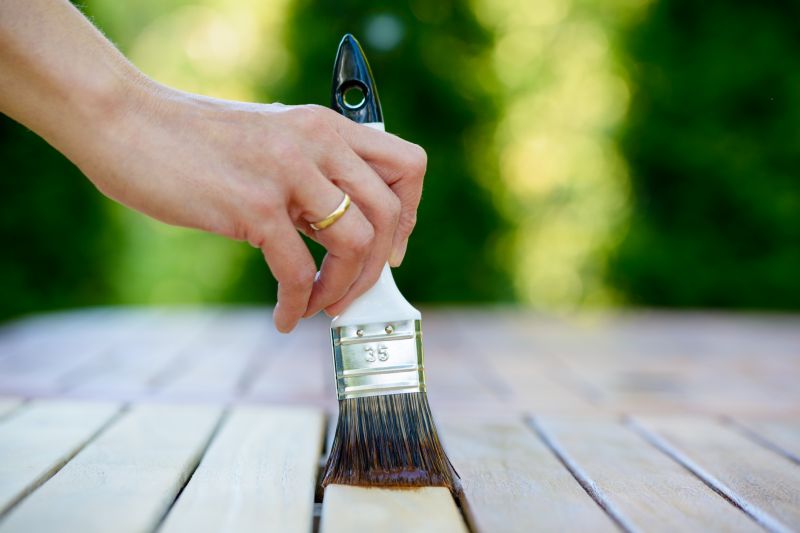
Popular materials for Faux Paintings and why they hold up over time.
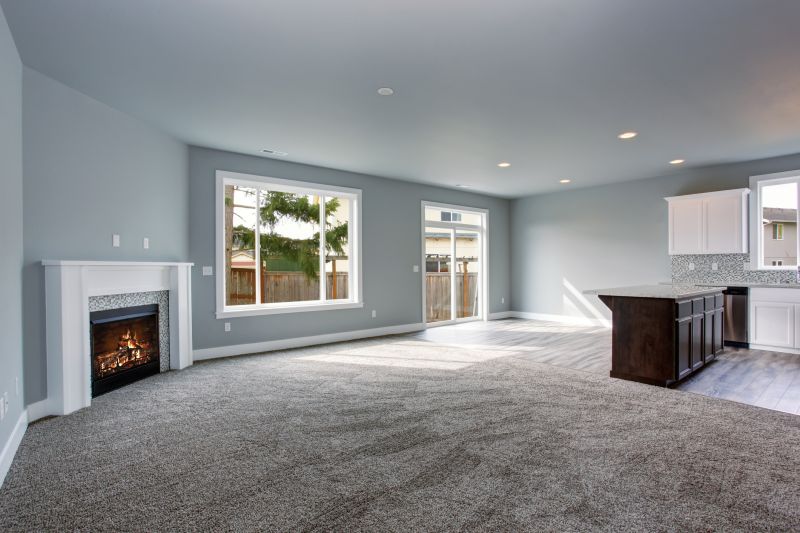
Simple add-ons that improve Faux Paintings without blowing the budget.
| Season/Condition | Best Practices |
|---|---|
| Spring | Moderate temperatures and humidity ideal for application. |
| Fall | Cooler weather with stable conditions suitable for faux painting. |
| Indoor | Any time of year, provided the environment is controlled. |
| Extreme heat | Avoid due to rapid drying and potential cracking. |
| Extreme cold | Avoid as it impairs adhesion and drying. |
| High humidity | Postpone to prevent bubbling and peeling. |
Faux paintings are versatile decorative techniques suitable for various interior and exterior surfaces. They can replicate expensive materials at a fraction of the cost while adding texture and depth to a space. Proper timing combined with suitable environmental conditions ensures the longevity and visual appeal of faux finishes. Careful planning around weather patterns and indoor conditions can optimize results and reduce the need for rework.
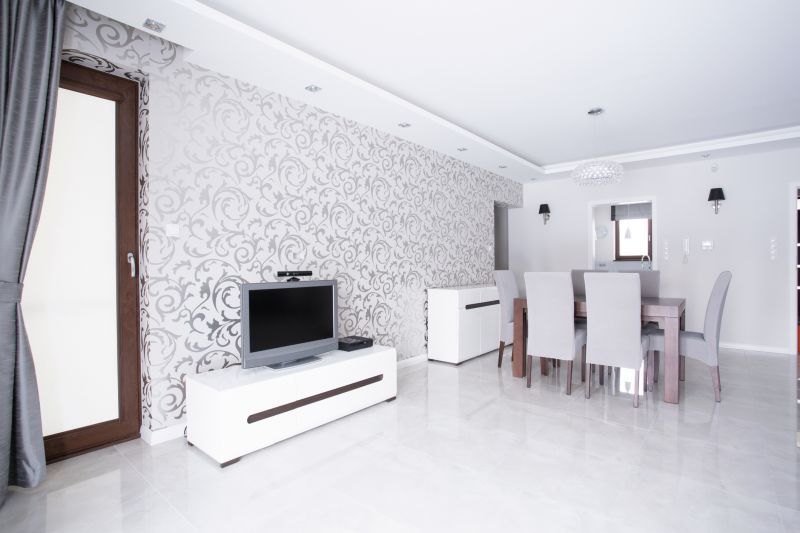
A faux marble finish enhances the elegance of a living room.
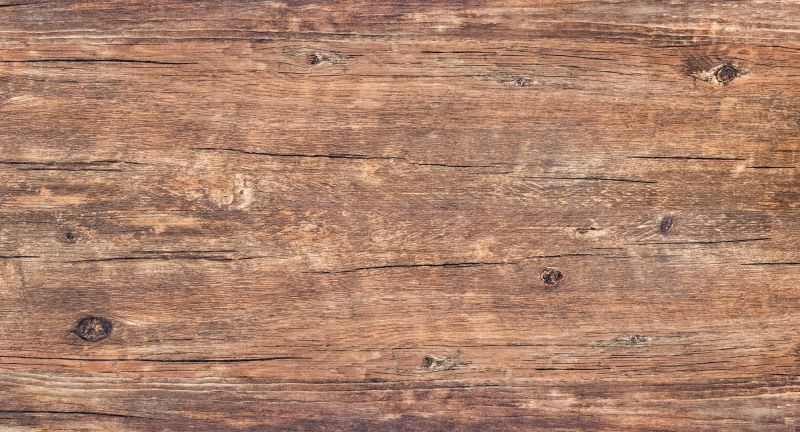
A wood-grain faux finish adds warmth to a dining area.
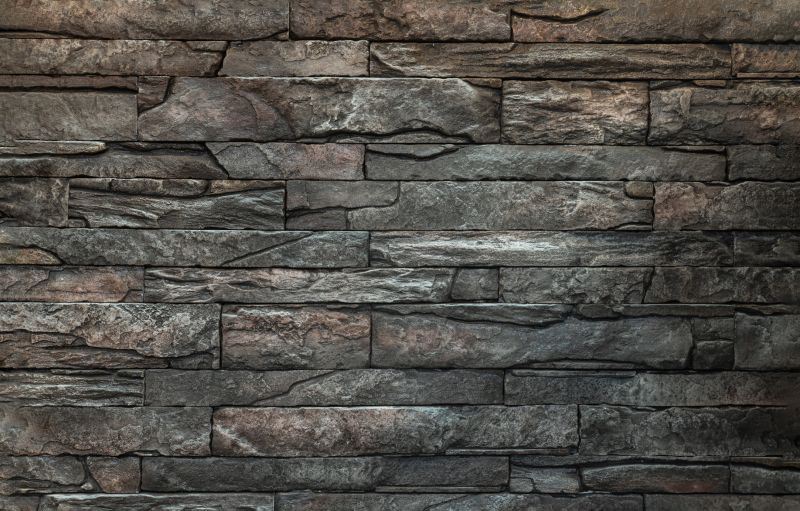
Weather-resistant faux stone applied to an outdoor wall.
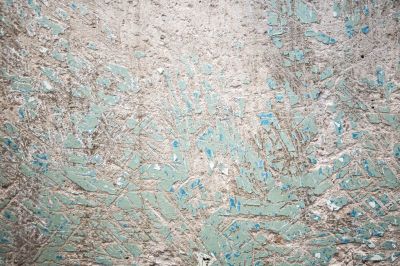
A metallic faux finish creates a luxurious effect.
High-end options that actually feel worth it for Faux Paintings.
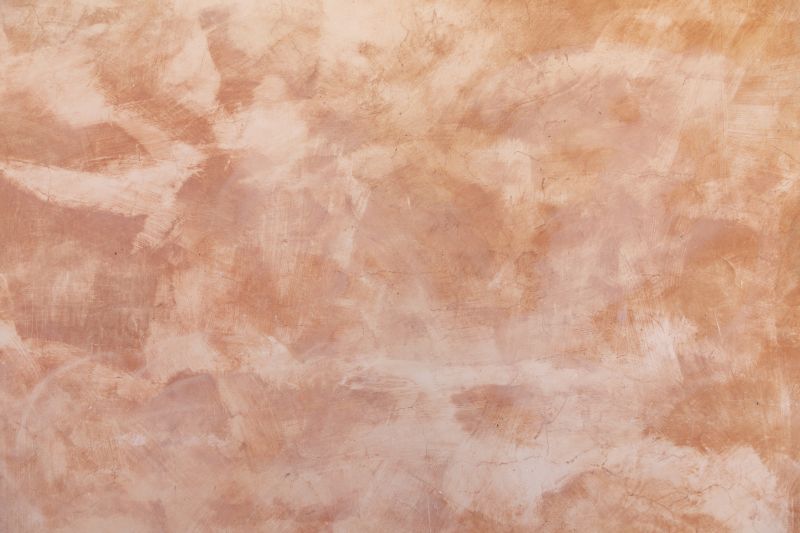
Finishes and colors that play nicely with Faux Paintings.
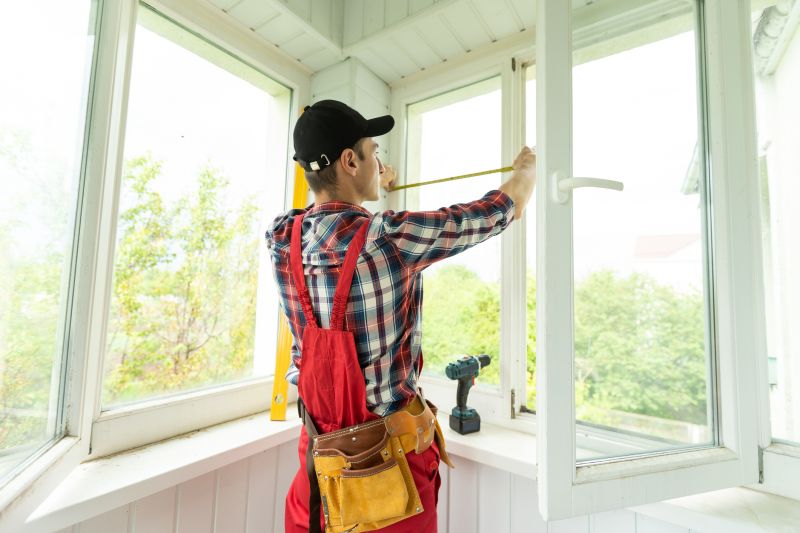
Little measurements that prevent headaches on Faux Paintings day.
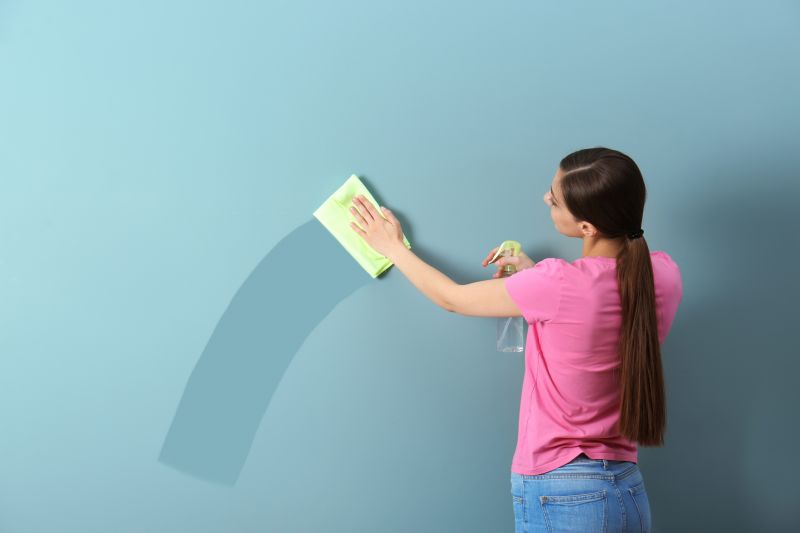
A 60-second routine that keeps Faux Paintings looking new.
If interested in enhancing spaces with faux paintings, it is advisable to contact professionals during suitable seasons to ensure optimal results. Proper planning and environmental control are key factors in achieving high-quality decorative finishes that last.